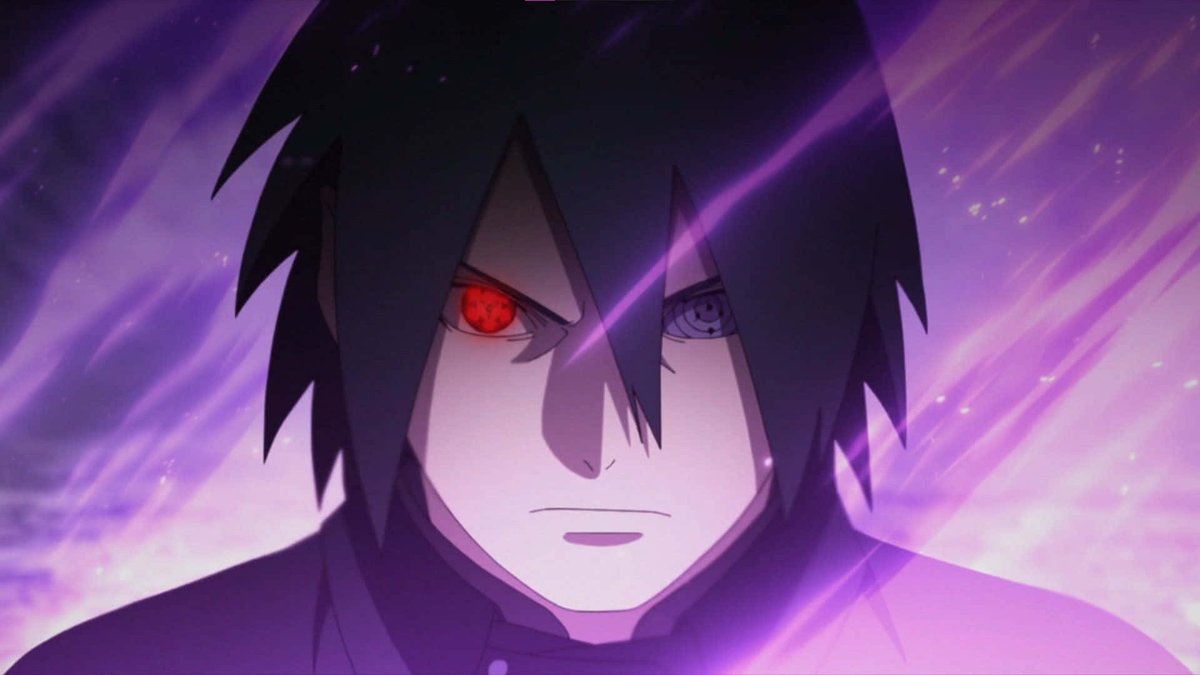
If you've landed here searching for "Sasuke Uchiha in Oshi no Ko," you're likely drawn to the series' intricate psychological narratives, its morally grey characters, and the dark underbelly of the entertainment world it so starkly portrays. It's true that Oshi no Ko features characters with intense motivations and a drive for revenge, much like the iconic Sasuke Uchiha from Naruto. However, to clarify directly: Sasuke Uchiha is a character from the Naruto universe and does not canonically appear or have a role within the story of Oshi no Ko.
Instead, Oshi no Ko captivates audiences with its own unique blend of idol glamour, dark secrets, and a powerful quest for truth and vengeance. This flagship hub aims to demystify the complex world of Oshi no Ko, offering a comprehensive look at its story, characters, and the thought-provoking industry commentary that has made it a global phenomenon.
Unpacking the Intrigue: The Reality of Oshi no Ko's Dark Core
Oshi no Ko, translated as "My Idol" or "Idol of Mine," quickly transcended its initial premise of reincarnation and idol life to become a profound exploration of identity, ambition, and the harsh realities lurking beneath the glittering surface of fame. The series has consistently captivated readers by merging the bright aspirations of idol dreams with a searing critique of the entertainment industry's often-exploitative practices. It delves into profound themes, examining how genuine talent can be commodified and how societal pressures can erode mental well-being. To truly uncover Oshi no Ko's sharp critique of the idol industry, we have a dedicated guide that breaks down its most poignant commentaries on image, authenticity, and the toll of celebrity.
The manga, spanning 11 story arcs across 16 volumes, culminated in a much-discussed 166th chapter that left many fans with strong opinions. Understanding the big picture involves acknowledging the series' commitment to exploring the full spectrum of human emotions within a high-stakes environment.
Beyond the Idols: Oshi no Ko's Deep Dive into the Entertainment Industry
At its heart, Oshi no Ko is more than just a story about idols; it's a commentary on the societal pressures and the often-damaging illusion of perfection demanded by the public. The narrative skillfully blurs the lines between genuine passion and calculated image management, showcasing the intricate web of relationships and manipulations that exist behind the scenes. Its sharp and clean illustration style expertly conveys the deep emotional subtext, making the series a masterclass in visual storytelling. For a thorough examination of the profound questions it raises, you’ll want to understand the core themes of identity, revenge, and fame that propel the narrative forward.
The series explores the heavy toll that the pursuit of fame can take on mental health, demonstrating how industry demands can push individuals to their breaking point. This nuanced portrayal has garnered overwhelmingly positive critical reviews for its unique balance of engaging entertainment and crucial social commentary.
The Heart of the Mystery: Unraveling "The 15 Year Lie" and Ai Hoshino's Legacy
Central to Oshi no Ko's narrative is the chilling story of Ai Hoshino, a charismatic idol whose tragic death sets in motion a decades-long quest for revenge. Her children, Aqua and Ruby, born with the memories of their past lives, are thrust into the entertainment world to uncover the truth behind her murder. A pivotal element in their journey is the biopic, "The 15 Year Lie," a film designed to expose the truths surrounding Ai's life and death. To truly delve into the significance of 'The 15 Year Lie' movie, our comprehensive breakdown explains its plot and its crucial role in Aqua's revenge scheme.
As the story unfolds, the dark figure of Hikaru Hoshino, Ai's former lover and the twins' father, emerges as the primary target of Aqua's vengeful pursuits. The complexities of their intertwined fates form the backbone of the series' psychological drama. It's essential to understand the tragic story of Ai and Hikaru Hoshino to grasp the full depth of the series' central conflict and its lasting impact on Aqua and Ruby.
Aqua's Quest: From Revenge to Sacrifice
Aqua's journey is arguably the most psychologically intense arc in Oshi no Ko. Driven by an unyielding desire to avenge his mother, he meticulously plans his confrontation with Hikaru. After the first screening of "The 15 Year Lie," Aqua directly confronts his father, who admits his involvement in Ai's murder. However, Aqua's understanding of Hikaru's manipulations evolves, leading him to suspect a wider conspiracy within the industry.
The climax sees Aqua confronting Hikaru during Ruby's live-streamed performance. In a shocking turn of events, Aqua makes the ultimate decision, recognizing that Ruby would remain in perpetual danger if Hikaru lived. His final act is one of profound self-sacrifice, ensuring his sister's safety. For a detailed analysis of this pivotal moment and its profound impact, you can explore Aqua's ultimate sacrifice and its implications for the Hoshino family's future.
Ruby's Ascent: Carrying the Stars and B-Komachi's Dream
While Aqua's path was one of vengeance, Ruby's journey is one of resilience and the pursuit of her own idol dreams, intrinsically linked to her mother's legacy. After Aqua's death, Ruby initially isolates herself, but eventually, she emerges stronger. Years later, she is depicted with the distinctive white stars in both eyes, a trait previously seen in Ai and symbolic of her brother's spirit and her mother's pure joy. This transformation sees her harness her personal tragedy into a captivating stage presence.
Ruby becomes a poised idol, successfully leading B-Komachi to perform at the Tokyo Dome, a dream her mother, Ai, had always cherished. Her story is a testament to overcoming grief and forging a unique path while honoring the past. Discover more about how she achieved this in our guide to follow Ruby Hoshino's powerful transformation and B-Komachi's legacy. The manga's final chapter beautifully shows Ruby asking Ai and Aqua to watch over her, stepping confidently into a brighter, idol-filled future.
The Final Curtain: Exploring Oshi no Ko's Controversial Ending
The ending of Oshi no Ko, particularly the final arc, has been a significant point of discussion and controversy among its dedicated fanbase. While critically acclaimed for its balance of entertainment and social commentary, many fans felt the conclusion was rushed, especially concerning Aqua's character arc. Instead of seeing Aqua fully move past his quest for revenge, his self-sacrificial act left some readers anticipating a different resolution. Our comprehensive analysis allows you to deep dive into the controversial ending of the Oshi no Ko manga, covering all the key events and fan reactions.
The author, Aka Akasaka, also known for Kaguya-Sama Love is War, has experience with endings that divide opinions. This has led many fans to examine whether Oshi no Ko's ending was rushed, considering author Aka Akasaka's perspective and the sheer number of plot points presented in a limited number of chapters. Despite the rush, others argue that Aqua's death served a crucial narrative purpose, providing Ruby with the necessary catalyst to truly surpass her mother's legacy and fulfill her own potential. For those curious about how things could have unfolded differently, we also explore popular fan theories and alternative endings for Oshi no Ko, offering fascinating insights into reader interpretations.
What Lies Ahead: The Enduring Impact of Oshi no Ko
Oshi no Ko continues to be a cultural phenomenon, celebrated for its unique ability to bridge the glittering world of idols with the gritty realities of fame and human psychology. Its nuanced characters, complex plot, and unsparing critique of the entertainment industry ensure its place as a significant work in contemporary manga. As new readers discover its depths and longtime fans revisit its compelling narrative, the discussions around its themes, characters, and memorable ending will undoubtedly continue to evolve, solidifying its legacy for years to come.